
Gurwinder Bhogal
Modern popularizer who reintroduced dozens of obscure biases and effects to a wide online audience.
Sources · Registry of first observers
The registry of the people who discovered, coined, or popularised the biases, effects and tools CogniqOS maps — each linked back to the concepts they put on the record.
The provenance web — every mind wired to the concepts they put on the record. White-ringed nodes are concepts credited to two or more people, joining their originators. Drag to explore · click a concept to open its trap.
Modern popularizer who reintroduced dozens of obscure biases and effects to a wide online audience.

Proved judgement runs on fast, biased heuristics - the foundation the whole field stands on.

Kahneman's co-author; formalised how people misjudge probability and risk.
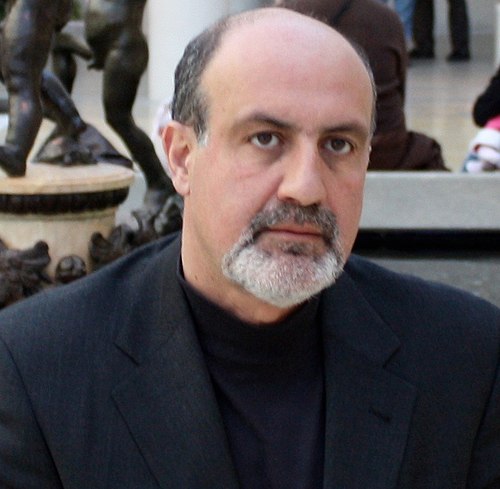
Named the blind spots around rare, high-impact events that models ignore.

Showed we over-blame character and under-blame situation - the attribution error.

Turned strategy and commitment into a science of focal points and credible threats.
Blogger whose essays gave names to social-epistemic traps like the motte-and-bailey.

Built the evolutionary logic of reciprocity, self-deception and parental investment.

Catalogued the first fallacies and rhetorical appeals we still teach today.
Showed how choices flip depending on whether options are judged together or apart.
Co-discovered preference reversal and overconfidence in human calibration.

Mapped how present feelings hijack predictions about our future selves.

Discovered cognitive dissonance - the discomfort that quietly rewrites belief.

Showed we are terrible at predicting what will make our future selves happy.
Found that safety measures get partly cancelled by riskier behaviour.

Ran the tournaments that showed why cooperation beats defection over time.

Documented the bias blind spot - we see bias in others, never in ourselves.

Co-authored the Dunning-Kruger effect on confidence outrunning competence.
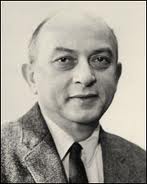
His conformity experiments showed how easily a group bends what we report seeing.
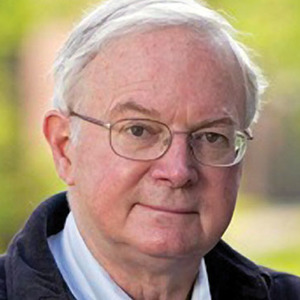
Co-discovered the bystander effect after the Kitty Genovese case.
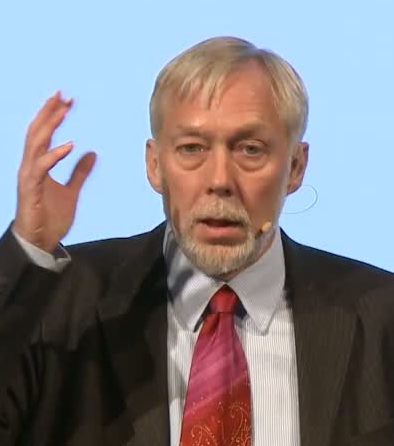
Advanced ego depletion and the outsized weight of the negative.
Clarified why sunk costs and path dependence trap otherwise rational choices.

Popularised the secretary problem and a generation of recreational maths.
Discovered reactance - the push-back that makes us want what we're denied.

Catalogued the seven sins of memory, from cryptomnesia to source confusion.

Explained preference falsification - why people hide their true beliefs until they cascade.
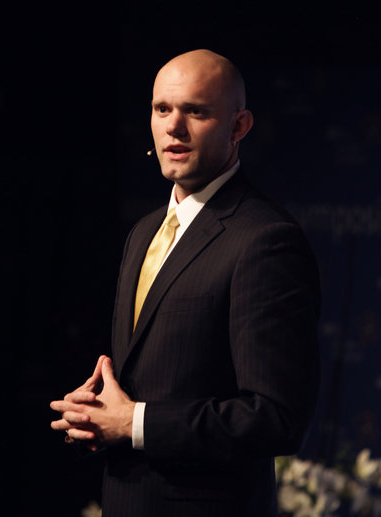
Popularised identity-based habits and environment design for behaviour change.

Proved memory is reconstructive and can be seeded with events that never happened.
Charted the serial-position curve behind primacy and recency in memory.

Showed how much we overestimate how much others notice us - the spotlight effect.

Made falsifiability the line between science and everything that only sounds like it.
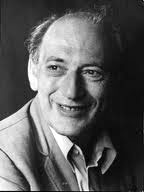
Showed the barest hint of a group is enough to trigger in-group favouritism.

Built system-justification theory - why people defend the very systems that fail them.

Codified the levers of persuasion, from social proof to authority.

Gave us Goodhart's law - a measure that becomes a target stops being a good measure.
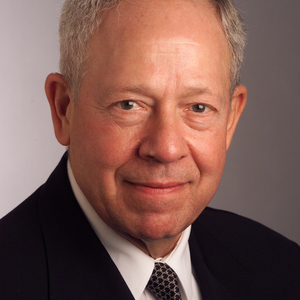
Demonstrated how an observer's expectations quietly shape the result they get.

Built behavioural economics around mental accounting and the endowment effect.

Traces how stress and biology quietly steer behaviour we call choice.

Coined Parkinson's law - work expands to fill the time available.
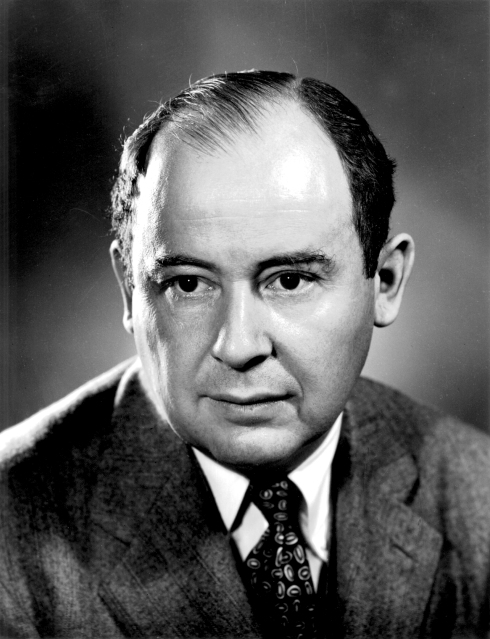
Founded game theory - the maths of dominant strategies and zero-sum thinking.

Founded the study of how influence flows through people, not just media.
His textbook fixed the modern catalogue of informal fallacies.

Discovered the affect heuristic - feeling first, reasoning after.


Debunks pseudoscience and named the celebrity-driven distortion of health advice.

Introduced bounded rationality - we satisfice within limits, not optimise.

Taught a generation to see leverage points and feedback in complex systems.

Invented the selection task that exposed confirmation bias in plain reasoning.
His water-jar studies named the Einstellung effect - a learned method that blinds you to a simpler one.

Showed processing fluency shapes judgements of truth, liking and risk.
His candle problem defined functional fixedness - we only see an object’s usual use.

Discovered hindsight bias - the knew-it-all-along rewrite of the past.
His studies named illusory correlation - seeing links in data that are not there.
Proportionality bias - big events must have big causes, so we invent them.

Co-founded signal detection theory - separating true signal from noise and bias.
Action bias - the urge to do something even when doing nothing is better.

His paradox showed people flee ambiguity even when the odds are identical.

The jam-shelf study proved more choice can freeze rather than free us.
With Kahneman, showed we judge episodes by their peak and end, not their duration.
The hot-stove effect - one bad outcome can stop us ever sampling an option again.
Documented omission bias - we judge harm by action more harshly than by inaction.

Named the paradox of choice - abundance breeds regret, not satisfaction.

Mapped how a withdrawn option still warps the choice it left behind.
Devised the premortem - imagine the failure first, then work back to prevent it.

Showed anticipated regret quietly shapes the choices we make now.
With Zeckhauser, named status quo bias - the pull of leaving things as they are.

Found that unfinished tasks nag at memory more than finished ones.

Co-built nudge theory - choice architecture that steers without forcing.

Showed scarcity itself taxes attention, a bandwidth tax on the poor and busy.

False uniqueness - we underestimate how many people share our better traits.

Found bronze medallists are often happier than silver - counterfactual comparison.
Named impostor syndrome - competence that never feels like enough.
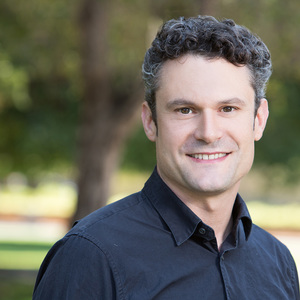
Moral licensing - a good deed can grant permission for a worse one.

Framed moral luck - we judge people for outcomes they did not control.

Showed reasoning bends to reach the conclusion we already want.
The ostrich effect - avoiding financial information when it might bring bad news.
Behavioural momentum - established habits resist disruption like a moving mass.

Popularised the habit loop and commitment devices for a mass audience.
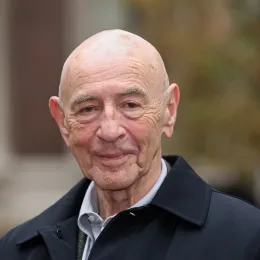
The marshmallow test turned delayed gratification into a measurable trait.

Traced the basal-ganglia circuits that turn repeated acts into habits.
Implementation intentions - if-then plans that convert goals into action.
Mapped hyperbolic discounting - why the near reward always looms larger.
Reframed procrastination as an emotion-regulation failure, not laziness.

Reward substitution and temptation bundling - pairing a chore with a treat.

Named rumination - the depressive loop of replaying what went wrong.

Showed we confabulate reasons for behaviour we can't actually introspect.

Plotted the forgetting curve, the first hard law of memory over time.
Showed retrieval practice beats rereading - the generation effect at work.
Quantified the lag effect - spaced study outlasts crammed study.

Reframed nostalgia as a resource that steadies mood and meaning.
The reminiscence bump - we recall our teens and twenties most vividly.
Named rosy retrospection - memory paints past events better than we felt them.
Proved testing is not just measurement but one of the strongest ways to learn.
The hungry-judge study - parole rulings swing with the time since lunch.

The IKEA effect - we overvalue what we build ourselves.
The illusion of explanatory depth - we think we understand more than we can explain.
The restraint bias - we overrate our power to resist temptation.
Newton’s flaming laser sword - what cannot be tested is not worth debating.
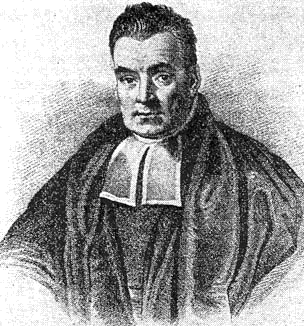
His theorem is the maths of updating belief as evidence arrives.

“The first principle is that you must not fool yourself” - the razor named for him.

Made separating signal from noise a public discipline of prediction.

The illusion of asymmetric insight - we think we read others better than they read us.
Found most drivers rate themselves above average - illusory superiority in one line.

Motive attribution asymmetry - each side thinks the other is driven by hate.
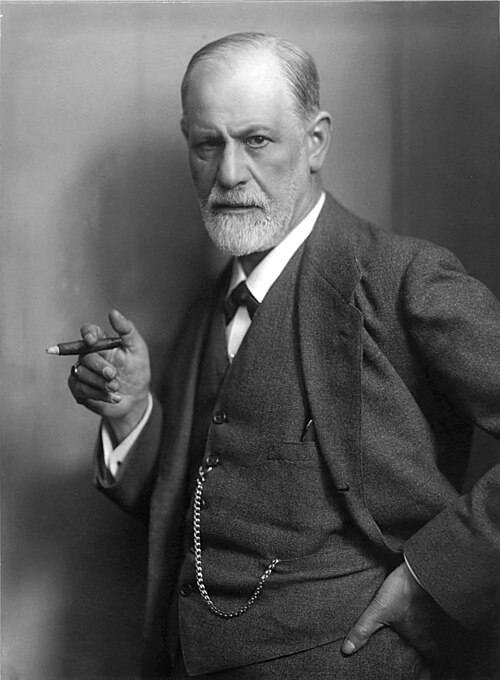
Named the narcissism of small differences - we reserve our fiercest disputes for near-neighbours.
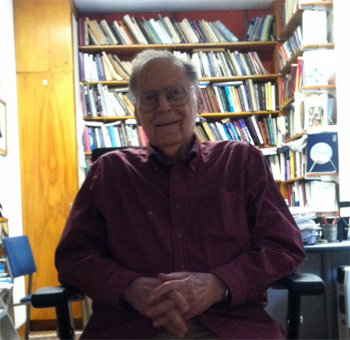
Named normative social influence - conforming to be liked, not to be right.
Outgroup homogeneity - they all look alike, we are all individuals.
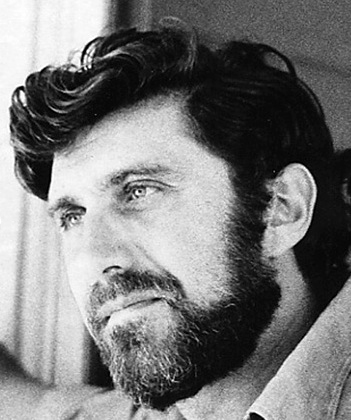
The pratfall effect - a visible flaw can make the competent more likeable.

His Robbers Cave study showed how fast groups form norms and rivalries.
Built the Implicit Association Test that put implicit bias on the map.

Chesterton’s fence - do not remove a rule until you know why it was built.

Formalised the straw man and the catalogue of everyday fallacies.

Proved no voting system can fairly satisfy every reasonable rule at once.
Named the McNamara fallacy - what cannot be measured is dismissed as unreal.

The tragedy of the commons - shared resources ruined by rational self-interest.
Documented the base-rate fallacy - vivid detail drowns out the odds.
Showed how a rare disease turns a positive test into a likely false alarm.
The friendship paradox - on average your friends have more friends than you do.
Posed the Monty Hall problem, the switch that our intuition always gets wrong.
His theory pinned down overfitting - a model that memorises noise, not signal.
Named p-hacking - torturing data until it confesses a false result.

Discovered regression to the mean, the trap behind most illusory trends.

His wartime bullet-hole analysis is the founding case of survivorship bias.

The market for lemons showed how hidden information wrecks a market.
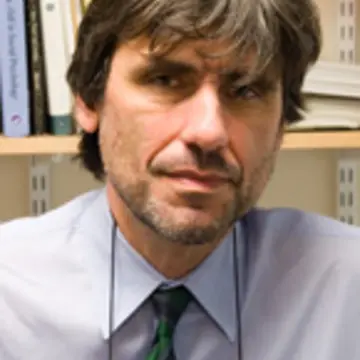
Showed cards make us spend more - the pain of paying is deferred.
The decoy effect - a third, worse option flips which of two you prefer.
The denomination effect - we spend small coins faster than one large note.
First stated diminishing marginal utility - each extra unit is worth less.

The disposition effect - we sell winners too early and ride losers too long.
Extrinsic incentive bias - we assume others work for money more than we do.
Naive diversification - splitting evenly across options rather than wisely.
The overjustification effect - paying for play can kill the love of it.
Named intolerance of ambiguity, later tied to the authoritarian personality.

Named the category mistake - treating one kind of thing as another.
“The map is not the territory” - our models are never the thing itself.
The ACE study tied childhood adversity to lifelong health outcomes.

Classical conditioning - the reflex that learns to fire on a cue.
Split intelligence into fluid and crystallised - raw problem-solving vs stored knowledge.

Dunbar’s number - the ceiling on how many real relationships a mind can hold.
Neurons that fire together wire together - the rule behind learning in the brain.

Named iatrogenesis - the harm caused by the very system meant to help.

Discovered mirror neurons, cells that fire both when we act and when we watch.
The Ovsiankina effect - an interrupted task pulls us back to finish it.

Mapped how oxytocin and vasopressin shape bonding and trust.
Mapped the biology of the placebo effect - expectation altering the body.
The Roseto effect - tight community ties protecting a town’s heart health.
Measured switch cost - the hidden tax every time attention changes task.

Split wanting from liking - desire and pleasure run on different brain systems.

The Wilson effect - heritability of intelligence rises with age, not falls.
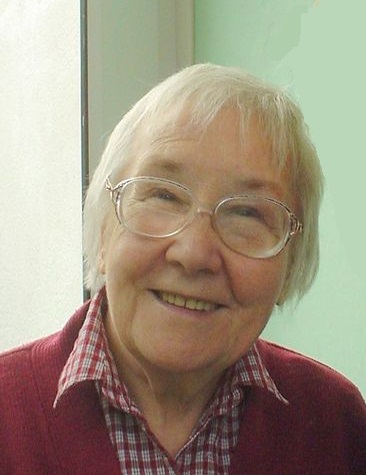
Popularised the aquatic ape hypothesis of human origins.
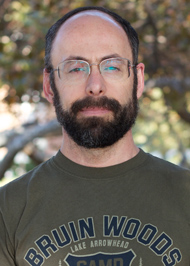
The crazy-bastard hypothesis - reckless risk-taking as a costly signal of formidability.

The handicap principle - costly signals are trusted because they are costly.
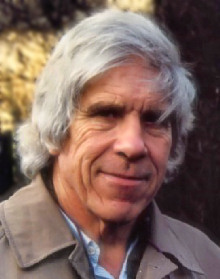
Kin selection - altruism pays when it helps copies of your own genes.
Tested sexual selection and the lek - where males display and females choose.
Mismatch theory - modern bodies built for a vanished environment.
Studied the ovulatory-shift hypothesis in human mate preference.

The Red Queen - species must keep evolving just to hold their ground.
Showed capuchins reject unequal pay - fairness runs deeper than humans.

The sexy-son hypothesis - attractiveness itself can be the trait selected for.

The Westermarck effect - childhood closeness suppresses later attraction.
Documented the cross-race effect - faces of other groups are harder to tell apart.

Popularised pareidolia - the face in the clouds, the pattern in the noise.
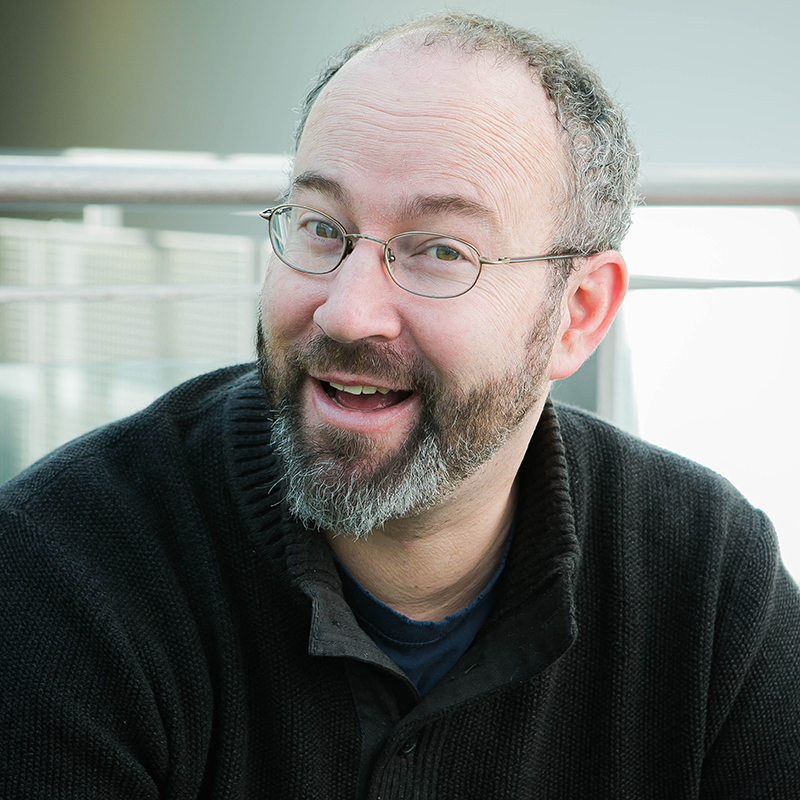
Showed disfluency can deepen thought - harder-to-read text is better remembered.
“They saw a game” - selective perception, where each side sees a different match.
Documented sexual overperception - misreading friendliness as sexual interest.
Coined alexithymia - the inability to name one’s own emotions.

Documented emotional contagion - moods spread from person to person.
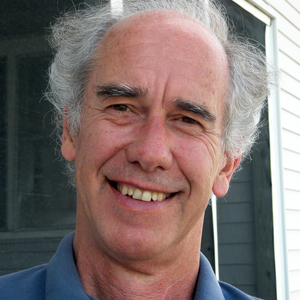
The empathy-altruism hypothesis - empathy can produce genuinely selfless help.

Named flow - total absorption where challenge and skill meet.
The hedonic treadmill - happiness resets to baseline after fortune or ruin.

Discovered learned helplessness, then built positive psychology around its cure.

Traced the fast fear pathway behind the emotional hijack of the amygdala.

The denial of death seeds terror management - culture as a shield against mortality.
The ironies of automation - automating a task can deskill the human who oversees it.
The Google effect - we remember where to find facts, not the facts themselves.
Named prompt injection - hijacking a language model through its own input.
Formalised the principal-agent problem - when the agent’s interests diverge from yours.
The shared-information bias - groups dwell on what everyone already knows.
The Ben Franklin effect - doing someone a favour makes you like them more.

Comparative advantage - even the weaker party gains from specialising and trading.

Creative destruction - the storm of innovation that scraps the old to build the new.

Gresham’s law - bad money drives out good when both must trade at par.
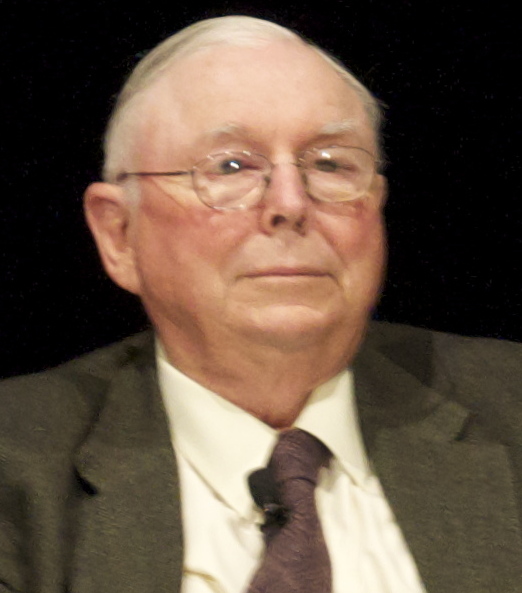
“Show me the incentive and I’ll show you the outcome” - incentive design in one line.
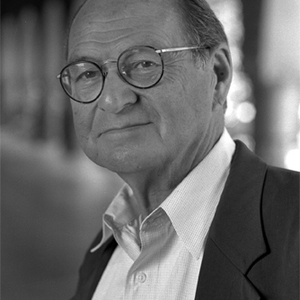
The mere-exposure effect - familiarity alone breeds liking.

Named the productivity paradox - computers everywhere except in the statistics.

The risk premium and CAPM - the price the market pays you to bear risk.

Built transaction-cost economics - why firms exist instead of pure markets.
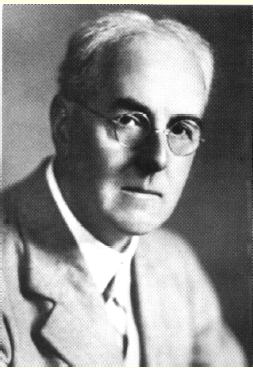
Modelled arms races as coupled equations of mutual escalation.

The free-rider problem - why groups under-supply the goods everyone wants.

The Nash equilibrium - the point where no player gains by moving alone.

The stag hunt - the dilemma of trust between cooperation and safe self-interest.

Studied belief perseverance - corrections that fail to dislodge a false belief.
The illusory truth effect - repetition alone makes a claim feel true.

Coined the Streisand effect - suppressing information only spreads it.
The aesthetic-usability effect - pretty interfaces feel easier to use.

Coined the meme - an idea that spreads and mutates like a gene.
Moravec’s paradox - what is hard for machines is easy for us, and vice versa.

Named safetyism - the overprotection that leaves people more fragile.

The theory of constraints - a system is only as fast as its tightest bottleneck.
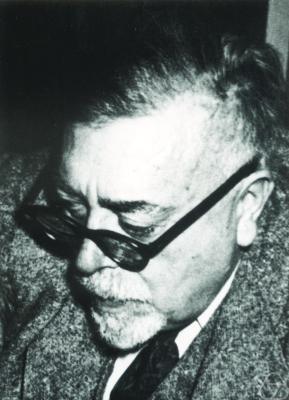
Founded cybernetics - the science of feedback loops and control.

Popularised first-principles thinking - reason up from physics, not analogy.
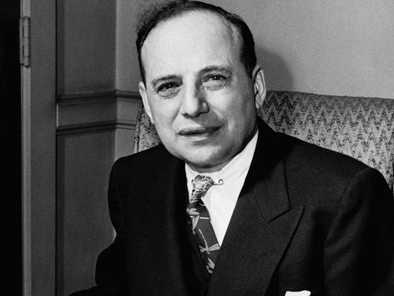
Margin of safety - buy with a buffer wide enough to survive being wrong.
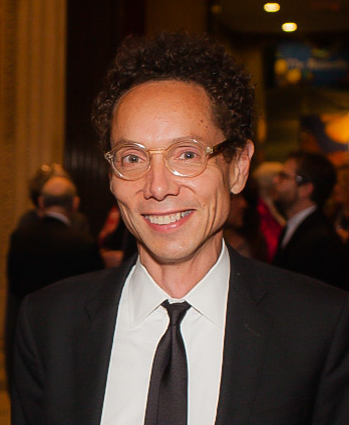
Popularised the tipping point - the threshold where change goes vertical.

The no-true-Scotsman move - redefining a term to dodge a counterexample.
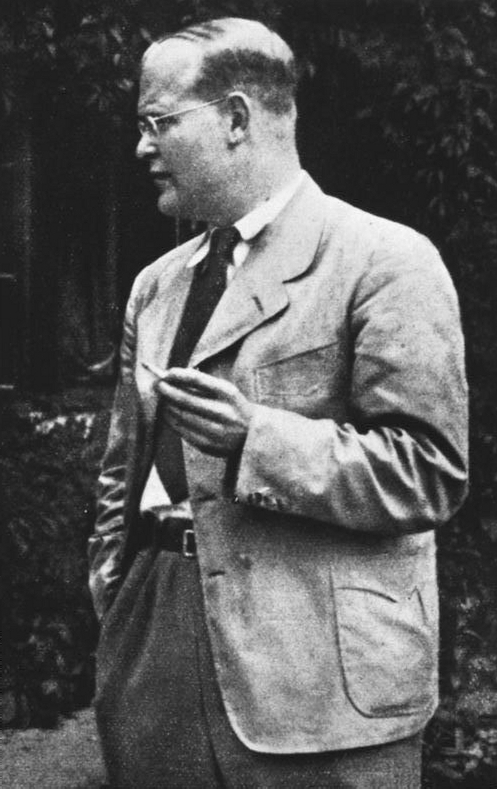
His theory of stupidity - the compliant crowd is more dangerous than malice.

The Fermi paradox - if the universe should teem with life, where is everybody?
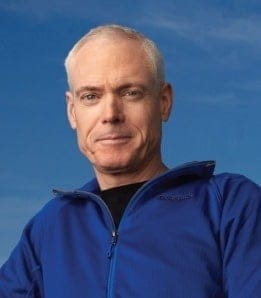
The Stockdale paradox - confront brutal facts yet never lose faith in the end.
No originator matches those filters.
Portraits are licence-clean images from Wikimedia Commons (Public Domain / Creative Commons), credited on hover; people with no free photo keep a monogram. Built from the Credit: lines in the Lexicon. This is the first 207 of a growing registry.